AiQum

Sand Production Detection

AiQum

Sand Production Detection

In the Oil and Gas sector, maintaining operational efficiency, asset integrity, and safety is crucial. However, a persistent challenge is sand production, where fine particles migrating with fluids can damage equipment, causing erosion, decreased productivity, and costly downtimes. Effectively managing this issue is vital for the long-term reliability of assets in the ever-changing Oil and Gas industry.

https://researchlab.digital/aiqum


Client: drl-logo-300x193
Date: December 2025
Sector: Energy (Oil & Gas)

AiQum
AiQum

Solution statement

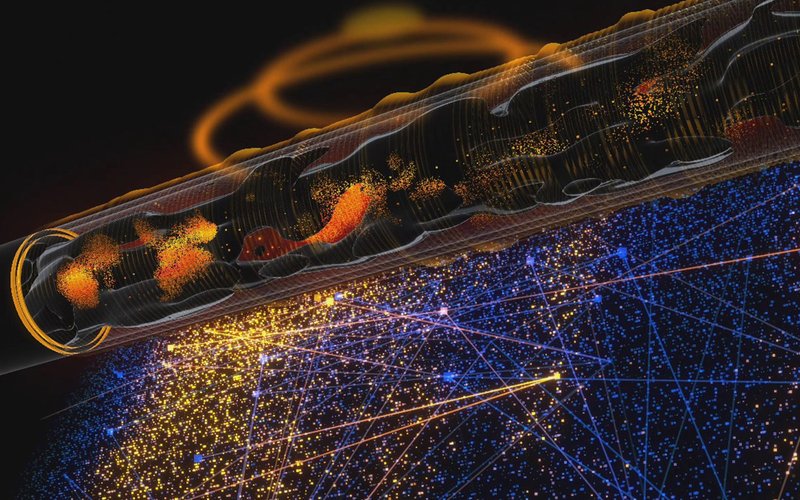
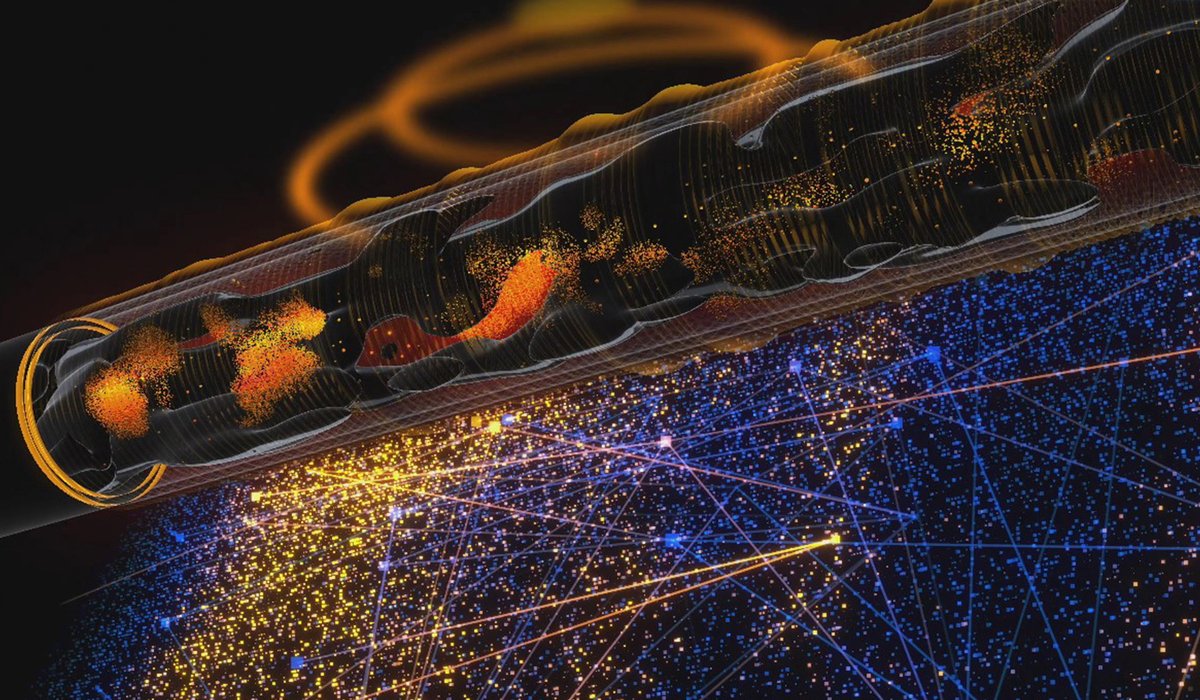
AiQum is an automated sand-production detection and monitoring solution for the Oil & Gas industry. By combining fiber-optic data, active ultrasonic sensing, and machine learning, AiQum delivers a sand probability curve in real time, helping petroleum engineers see when and where sand is being produced. This enables better well management, protects surface and subsurface assets, reduces downtime, and supports safer, more efficient production over the life of the field.

Technology

Multi-sensor input

  • Uses fiber optic data and active ultrasonic sensing as primary data sources.
  • Detects both sand impacts on the pipe wall at the wellhead and sand particles traveling within the flow, providing a more complete picture of sand behavior.

Non-intrusive data acquisition

  • Sensors are installed on the outer side of the flowline, avoiding interventions in well operation.
  • No need to break into the process line, minimizing installation risk and operational disruption.

Machine-learning–driven analytics

  • Employs advanced ML algorithms built on spatial and time–frequency representations of the signal.
  • Integrates well parameters (downhole and wellhead pressures, choke position, and others) to sharpen detection performance and reduce false positives.

Sand probability curve & real-time monitoring

  • Outputs a detailed sand probability curve over time, showing when sand production is likely occurring and at what intensity.
  • Supports real-time or near real-time monitoring, allowing engineers to adjust operating conditions before damage occurs.

Problem Statement

Sand production is a persistent challenge in Oil & Gas operations. Fine particles migrating with produced fluids can erode tubing, chokes, and surface equipment; plug separators; reduce productivity; and trigger costly workovers or unplanned shutdowns. Traditional sand monitoring is often:

  • Reactive – issues are detected only after equipment damage or production loss.
  • Fragmented – based on spot checks, manual inspections, or limited gauges.
  • Imprecise – lacking a quantitative, continuous view of sand behavior over time.

As wells age and operating conditions change, operators need a continuous, automated, and non-intrusive way to detect sand production early and accurately, so they can optimize drawdown, protect assets, and extend field life without sacrificing safety or performance.

Related projects